
Why Businesses Are Switching to Upwork Alternative Platforms
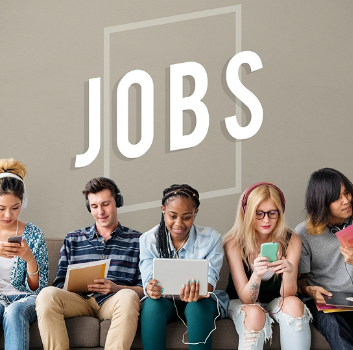
Businesses worldwide are rapidly reshaping how they hire digital talent. Instead of relying on traditional freelance marketplaces, many organizations are exploring a Upwork alternative that offers more flexibility, better pricing transparency, and improved talent matching systems. This shift is driven by the need for faster project turnaround, reduced overhead costs, and access to more specialized professionals across various industries. As remote work continues to expand, companies are prioritizing platforms that deliver efficiency, scalability, and data-driven hiring decisions. This trend is reshaping the global hiring ecosystem at a significant pace worldwide growing.
Shifting Landscape of Freelance Hiring
Hiring trends are evolving as digital transformation accelerates across industries. Studies in the freelance economy suggest that more than half of modern businesses now prefer flexible hiring models over long-term contracts. Platforms offering aUpwork alternative are gaining attention for providing curated talent pools, reduced hiring delays, and improved project success rates. This shift reflects a broader move toward decentralized work structures and performance-based hiring decisions supported by real-time analytics and global workforce accessibility today.
Cost Efficiency and Scalability Benefits
Cost efficiency remains a major driver behind platform migration. Companies are increasingly optimizing budgets by reducing recruitment overheads and eliminating unnecessary intermediary fees. Alternative hiring platforms provide transparent pricing models and flexible engagement options, allowing businesses to scale teams up or down based on project needs. As a result, organizations report improved ROI and better allocation of resources, especially in short-term digital projects and high-demand technical assignments requiring rapid execution across global markets efficiently today.
Access to Specialized Global Talent
One of the key advantages of modern hiring platforms is access to highly specialized professionals across diverse industries. Businesses can now connect with experts in areas such as AI development, design, marketing, and automation without geographical limitations. This global reach enables faster project completion and higher quality outcomes. Companies also benefit from detailed skill verification systems and portfolio-based assessments that help ensure better hiring accuracy and reduced project risks in competitive digital environments today rapidly.
Smarter Hiring Through Technology & Analytics
Advanced analytics and AI-driven tools are reshaping recruitment processes. These technologies help businesses identify the most suitable candidates faster by analyzing skills, experience, and past performance data. Automated matching systems reduce manual effort while improving hiring precision. This results in faster onboarding, reduced operational costs, and better alignment between project requirements and talent capabilities across modern digital ecosystems globally efficiently.
Evolving Hiring Priorities in the Digital Economy
Businesses evaluating modern hiring strategies are increasingly prioritizing flexibility, speed, and data-driven decision-making. As digital workforces expand, alternative hiring ecosystems are becoming essential for sustainable growth. Companies that adopt these platforms often experience improved productivity and reduced hiring friction. Ultimately, the shift reflects a long-term transformation in how global talent is sourced, evaluated, and managed across industries seeking scalable and efficient workforce solutions in the evolving digital economy today rapidly.