
The Impact of Fire Watch Guards on Workplace Safety and Insurance
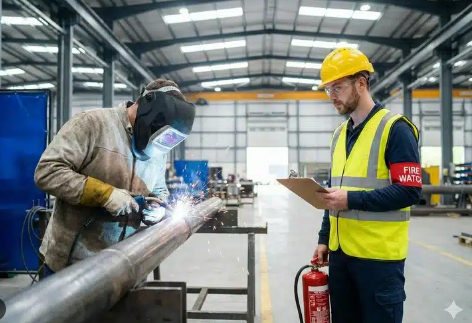
Fire watch guards are trained personnel responsible for monitoring workplaces, industrial facilities, and commercial sites to prevent fire hazards. Their role goes beyond simple observation—they proactively identify risks, ensure safety equipment is functional, and coordinate immediate responses if a Fire Watch Guards threat arises.
Why are Fire Watch Guards critical for workplace safety?
Workplaces with ongoing construction, welding, chemical handling, or electrical work are especially vulnerable to fire hazards. Statistics reveal that workplaces without proactive fire monitoring experience up to 30–40% more fire-related incidents than those with dedicated fire watch services. Fire watch guards mitigate these risks by providing constant vigilance and early detection, which can save lives and prevent costly property damage.
Where are Fire Watch Guards typically deployed?
Fire watch guards are most often deployed in high-risk areas, such as:
Construction and renovation sites where hot work operations occur.
Industrial plants handling flammable chemicals or combustible materials.
Warehouses with large inventories and temporary storage solutions.
Facilities where fire alarms, sprinklers, or other safety systems are temporarily offline.
Studies show that sites with fire watch coverage report significantly fewer fire-related accidents, highlighting the protective impact these professionals provide.
What are the key duties of Fire Watch Guards?
Fire watch guards carry out several critical responsibilities to enhance workplace safety:
Patrolling high-risk zones to detect potential fire hazards.
Monitoring operations like welding, cutting, or chemical processing.
Ensuring fire extinguishers and other safety equipment are accessible and functional.
Reporting unsafe conditions to management for immediate action.
Coordinating with emergency personnel if a fire occurs.
By performing these duties consistently, fire watch guards prevent small hazards from escalating into major incidents.
How do Fire Watch Guards influence insurance outcomes?
Employing fire watch guards can positively impact workplace insurance considerations. Insurers often recognize the reduced risk associated with proactive fire monitoring, which can translate into lower premiums and more favorable terms. Statistics indicate that facilities implementing fire watch programs experience fewer claims, reduced downtime, and lower overall losses due to fire-related incidents.
How long are Fire Watch Guards typically on duty?
The duration of fire watch assignments depends on the site’s risk profile and the type of work being performed. Some facilities require 24/7 coverage, while others need monitoring only during high-risk activities. Data shows that continuous monitoring greatly reduces the severity and frequency of fire incidents compared to intermittent supervision.
What qualifications are needed for Fire Watch Guards?
Fire watch guards receive training in fire safety, hazard detection, and emergency response procedures. Experience in industrial, commercial, or construction environments is often preferred, as it helps guards understand site-specific risks. They are also trained to operate fire suppression equipment, recognize early signs of fire, and implement evacuation protocols effectively.
Conclusion
Fire watch guards play a vital role in enhancing workplace safety and positively impacting insurance outcomes. By providing vigilant monitoring, early hazard detection, and immediate response capabilities, they reduce the risk of fire-related accidents, minimize property damage, and help organizations maintain operational continuity. For workplaces handling high-risk activities or materials, investing in fire watch services is a strategic step toward a safer and more resilient environment.