
THC Vapes in Italy: Trends, Regulations, and Insights
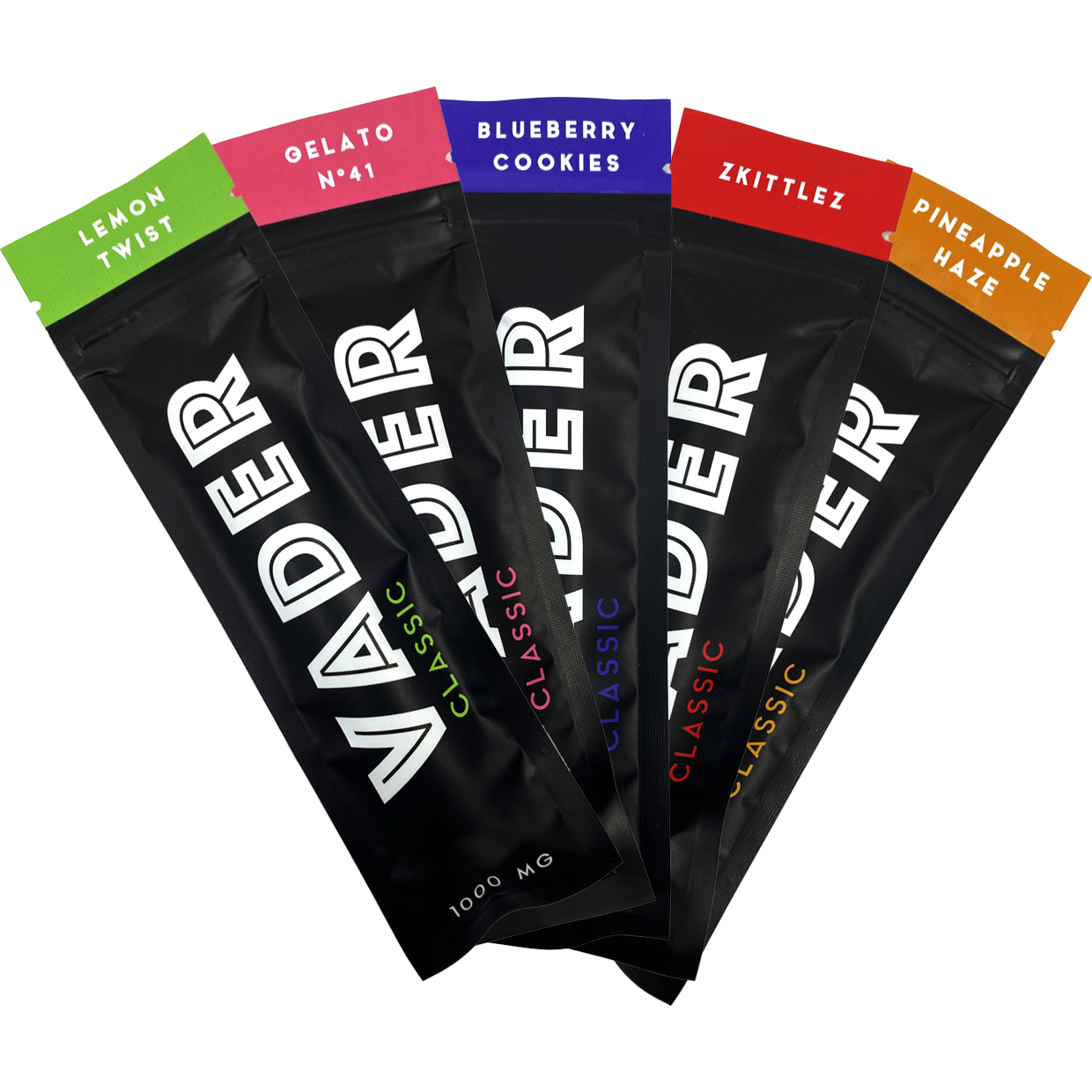
Italy’s vaping landscape sits at the intersection of fast-moving consumer trends and an increasingly assertive regulatory framework. While e-cigarettes themselves are legal and regulated under Italy’s implementation of the EU Tobacco Products Directive—covering taxation, marketing limits, packaging, and restrictions on indoor use—the status of THC-containing vape products is far more constrained. Recreational cannabis remains illegal; possession is generally decriminalized in small amounts, but trade and commercial sale of THC products are prohibited. Medical cannabis is available only by prescription and through controlled channels, which does not translate into open retail availability of thc vapes italy.
In 2025, policymakers tightened rules around hemp and so-called “cannabis light,” aiming to close perceived loopholes in the sale of hemp flowers and derivatives. New measures have limited or banned the trade of hemp inflorescences, creating ripple effects for CBD shops and any gray-area products that might be confused with THC vapes. For brands and retailers, this means heightened scrutiny, narrower product assortments, and greater compliance demands—particularly in labeling, source documentation, and THC thresholds.
Consumer behavior reflects these shifts. Interest in discrete, portable devices remains high across Europe; however, Italian shoppers are increasingly differentiating between nicotine vapes, CBD formats compliant with national thresholds, and strictly prohibited THC products. Education at point of sale has become essential—clear explanations of cannabinoid content, origin, and legal status help avoid enforcement issues and build trust. At the same time, the broader vape market is influenced by rules unrelated to cannabis, such as online-sales restrictions and excise changes for e-liquids, which shape distribution strategy and price positioning.
For operators, the priorities are straightforward: compliance, transparency, and risk management. Maintain rigorous supplier vetting, batch-level certificates of analysis, and unambiguous labeling aligned with current Italian and EU requirements. Avoid any implication of psychoactive THC availability in consumer channels; where permitted, emphasize compliant non-psychoactive products and responsible messaging. For consumers, the safest path is to rely on official medical pathways for cannabis-based therapies and to treat any retail offer of THC vapes as a red flag.
Looking ahead, stakeholders should anticipate continued policy activity, given the government’s stated intent to curb hemp-flower commerce and the broader security-law agenda. Monitoring updates from official journals and reputable legal trackers is crucial, as incremental changes can quickly alter what products are allowed in market. In short: Italy’s vape sector remains dynamic, but for THC vapes specifically, the direction of travel is clear—toward tighter controls, stricter enforcement, and a premium on compliance-first strategies.