
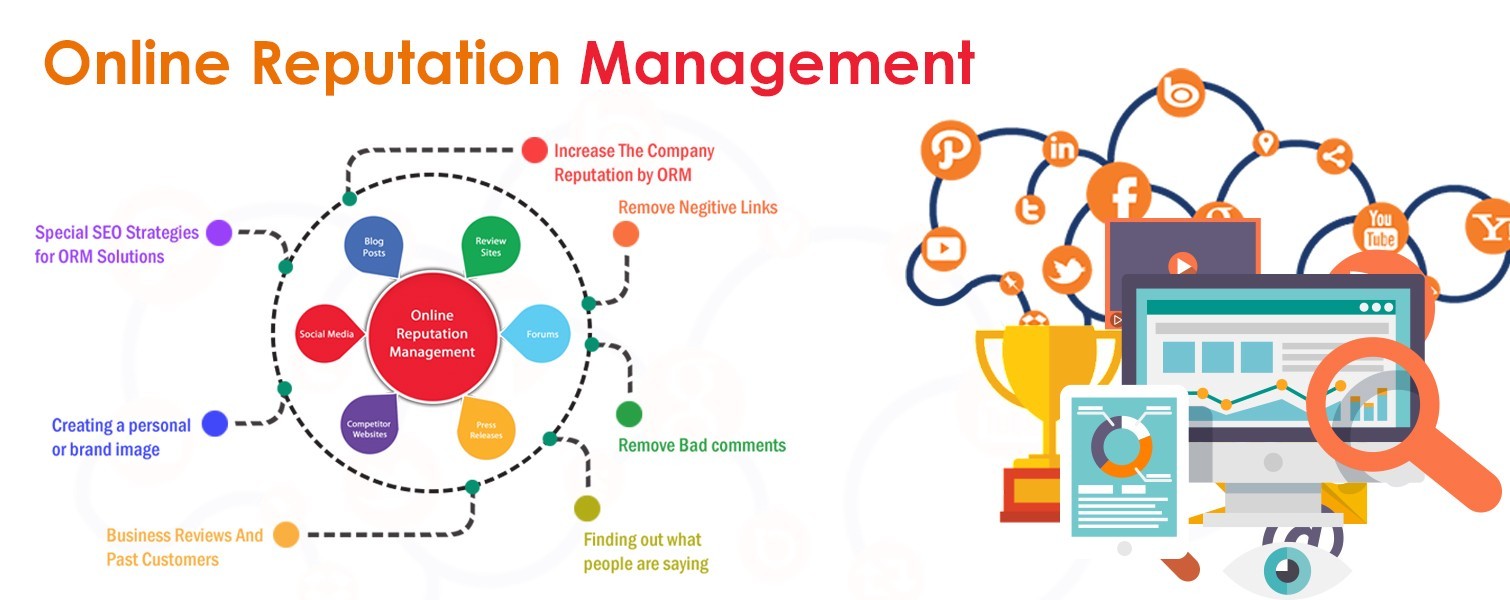
Enhancing Your Brand: The Role of Online Reputation Management
In today’s digital-first world, a company’s online reputation can significantly influence its success. Consumers increasingly rely on search engine results, online reviews, and social media feedback before making purchasing decisions. Negative content, even if limited, can affect customer trust and revenue. This is why businesses need a structured approach to maintaining their online image. Partnering with a reliable service like a Miami Reputation Management Company ensures that companies can monitor, protect, and enhance their online presence while addressing potential challenges proactively.
What Is Online Reputation Management (ORM)?
Online Reputation Management (ORM) is the practice of monitoring and influencing how a business or individual is perceived online. It includes tracking reviews, social media mentions, search engine results, and other digital content. Effective ORM focuses not just on mitigating negative feedback but also on amplifying positive content that reinforces credibility and builds trust with customers.
Why Is Reputation Management Essential for Businesses?
The importance of ORM is clear when looking at current statistics:
90% of consumers read online reviews before engaging with a business.
Companies with positive online reputations are 30% more likely to gain new clients.
Negative or unaddressed reviews can reduce consumer trust and purchase intent by up to 25%.
These numbers highlight that even small lapses in online reputation management can have measurable effects on business performance.
How Do Reputation Management Services Operate?
Professional ORM services employ a range of strategies to protect and strengthen a brand’s online image:
Monitoring Online Presence: Keeping track of reviews, mentions, and social media activity in real time to identify potential issues quickly.
Content Enhancement: Promoting positive news, testimonials, and success stories to build a strong online narrative.
Crisis Management: Responding strategically to negative publicity to minimize long-term impact.
Customer Engagement: Encouraging satisfied clients to share their experiences and actively participate in digital discussions.
This proactive approach helps businesses prevent minor issues from escalating into reputational crises.
What to Look for When Choosing an ORM Partner
Selecting the right reputation management service requires careful evaluation:
Proven Success: Look for measurable results such as improved search rankings and increased positive feedback.
Tailored Solutions: Avoid generic approaches; each business has unique needs and challenges.
Transparency: Ensure regular reporting and analytics to track progress and ROI.
Ethical Practices: The company should use legitimate methods rather than manipulative tactics, which can damage credibility.
How Much Do ORM Services Cost?
The cost of online reputation management depends on the scale and complexity of the service. Small to mid-sized businesses typically invest $500–$2,000 per month, while larger companies may spend more for comprehensive monitoring, content creation, and strategic management. While costs vary, the long-term benefits of maintaining a strong online presence often outweigh the investment.
Measuring the Effectiveness of ORM
The success of ORM can be tracked through multiple metrics:
Improvement in search engine rankings for relevant brand keywords.
Increase in positive reviews and testimonials.
Reduction in negative online mentions.
Enhanced engagement on social media platforms and stronger customer trust.
By using data-driven methods, businesses can understand the ROI of their reputation management efforts and refine strategies for continued success.
Conclusion
A strong online reputation is one of the most valuable assets a business can have in today’s competitive market. Neglecting it can lead to lost opportunities, decreased trust, and reduced growth. Working with a professional service like a Miami Reputation Management Company provides businesses with the expertise, tools, and strategies needed to monitor, protect, and enhance their digital presence. Through proactive monitoring, content promotion, crisis management, and engagement initiatives, companies can build a credible, trustworthy online image that supports long-term growth and strengthens customer relationships.