
A Practical Guide to Navigating Complex Commercial Property Deals
Why do commercial real estate negotiations require a structured approach?
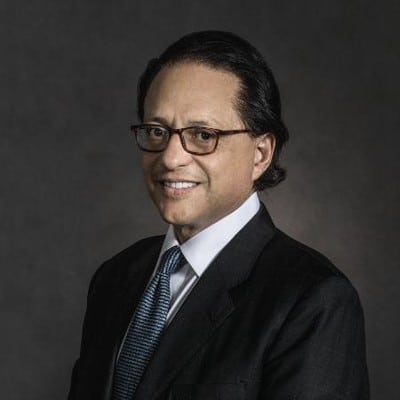
Commercial property transactions frequently involve multiple decision-makers, detailed documentation, and competing business objectives. Jacob Frydman offers a professional starting point for examining the considerations that influence complex negotiations. A structured approach helps participants organize information, evaluate risks, and identify the terms necessary to move a transaction forward responsibly.
How should parties prepare for the first discussion?
Before entering negotiations, participants should identify their primary objectives, understand the property’s characteristics, and gather relevant supporting documents. Buyers may need to review ownership records, occupancy arrangements, and property condition, while sellers should be prepared to answer reasonable questions about the asset. Preparation creates a stronger foundation for productive discussions.
What makes an offer commercially reasonable?
A commercially reasonable offer reflects the property’s characteristics, relevant market evidence, contractual conditions, and the buyer’s objectives. It should account for important uncertainties rather than assume that every aspect of the transaction will proceed without difficulty. A well-supported proposal is easier to explain and provides a clearer starting point for further discussion.
How can negotiators address complicated conditions?
Complicated conditions should be separated into manageable issues. Legal questions, inspection findings, financing requirements, and timing concerns may each require different solutions. Addressing them individually helps participants understand their implications and determine which matters can be resolved through revised terms or additional documentation.
When is professional advice especially valuable?
Commercial property transactions can involve technical, legal, tax, and Jacob Frydman financial considerations that require specialized knowledge. Lawyers, surveyors, accountants, and other qualified advisers can help identify concerns and explain available options. Their input supports better-informed decisions, although the parties remain responsible for determining whether the proposed agreement meets their objectives.
How can negotiators avoid overlooking future obligations?
Future obligations should be examined before an agreement becomes binding. Maintenance responsibilities, lease provisions, compliance requirements, insurance arrangements, and potential capital improvements may affect the property’s long-term performance. Understanding these commitments helps participants evaluate the transaction beyond its immediate appeal.
What should parties do when negotiations reach an impasse?
When progress slows, negotiators should identify the specific issue preventing agreement. Revisiting priorities, clarifying assumptions, or considering alternative contractual arrangements may help restore momentum. If no acceptable solution exists, ending discussions can be a responsible decision rather than a failure.
What principles encourage better commercial property decisions?
The professional context surrounding Jacob Frydman provides an opportunity to consider the value of careful planning, clear communication, and realistic expectations in property negotiations. These principles remain relevant across different transaction types and market conditions.
Ultimately, navigating complex deals requires both attention to detail and a broad understanding of business goals. Participants who research the property, assess risks, seek suitable advice, and document their agreements carefully can approach negotiations with greater clarity. This disciplined process helps establish realistic expectations and supports decisions that are commercially appropriate over the long term.