
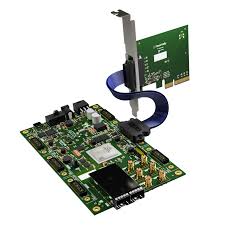
DMA Card and Its Role in Data Transfer
What Is a DMA Card and Why Is It Important?
A DMA card, short for Direct Memory Access card, plays a critical role in modern computing systems by enabling high-speed data transfer between hardware components and system memory. Instead of relying on the central processor for every data movement task, the dma card allows peripherals to communicate directly with memory. This approach significantly reduces processing overhead and improves overall system efficiency, especially in data-intensive environments.
Industry analysis shows that systems using DMA-based transfers can reduce CPU workload by up to 30–40%, making DMA cards a preferred choice for advanced hardware operations and performance-driven architectures.
How Does a DMA Card Improve Data Transfer Performance?
The DMA card and its role in data transfer are closely tied to performance optimization. Traditional data transfer methods require the CPU to manage each transaction, which can slow down operations during high data throughput. DMA cards eliminate this bottleneck by handling bulk data transfers independently.
Statistical benchmarks indicate that DMA-enabled systems achieve faster throughput, lower latency, and more stable performance under heavy workloads. This makes DMA cards essential in environments where continuous data streaming and real-time processing are required.
Which Applications Benefit the Most from DMA Cards?
DMA cards are widely used in applications that demand reliable and uninterrupted data flow. These include embedded systems, research platforms, data acquisition tools, and advanced computing environments. Their ability to move large volumes of data efficiently makes them suitable for scenarios where precision and speed are critical.
From a market perspective, adoption of DMA-based solutions has steadily increased, with usage growth driven by rising demand for high-performance hardware and efficient memory access mechanisms.
How Do DMA Cards Support System Stability?
Beyond speed, DMA cards also enhance system stability. By offloading repetitive data transfer tasks from the CPU, they allow processors to focus on core computational responsibilities. This balanced workload distribution reduces system strain and helps maintain consistent performance during extended operations.
Performance studies highlight that systems integrating DMA cards experience fewer processing delays and improved resource utilization, which is particularly valuable in long-running technical workflows.
What Should Be Considered When Using a DMA Card?
Compatibility and system requirements play a key role when deploying DMA cards. Factors such as operating system support, memory architecture, and hardware interfaces should be evaluated carefully. Proper configuration ensures that the DMA card operates efficiently without conflicts or performance limitations.
Data trends suggest that organizations prioritizing compatibility checks during deployment achieve smoother integration and longer hardware lifecycles.
Why Is the DMA Card a Key Component in Modern Data Transfer?
The DMA card and its role in data transfer reflect a broader shift toward smarter hardware design. As data volumes continue to grow, efficient transfer mechanisms are no longer optional—they are essential. DMA cards provide a scalable solution that aligns with modern performance expectations.
In summary, DMA cards are not just a technical enhancement; they are a strategic component in achieving faster, more reliable, and resource-efficient data transfer across advanced computing systems.