
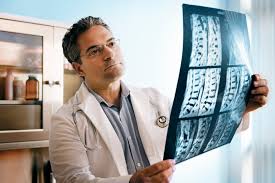
Best Spine Surgeon in Tampa Using Advanced Endoscopic Techniques
Minimally invasive spine surgeries have transformed how back pain and spinal disorders are treated. Endoscopic spine techniques use small incisions and high-definition cameras to access the spine safely. best spine surgeon in tampa to traditional surgery, patients often experience less pain, reduced scarring, and faster recovery times. Statistics show that minimally invasive approaches can reduce hospital stays by up to 50% and lower complication rates, making them an increasingly preferred choice for patients seeking effective solutions.
How Do Endoscopic Techniques Improve Patient Outcomes?
Endoscopic spine surgery allows surgeons to treat conditions like herniated discs, spinal stenosis, and degenerative disc disease with remarkable precision. By minimizing tissue disruption, patients report quicker pain relief and improved mobility. Studies indicate that 80–90% of patients undergoing endoscopic procedures achieve significant symptom improvement within weeks. This data highlights how modern techniques are reshaping patient expectations and overall quality of life after spinal surgery.
Which Conditions Are Treated Most Effectively?
Data-driven outcomes reveal that endoscopic surgery excels in treating common spinal issues. Herniated discs, which affect over 5 million Americans annually, can often be corrected without open surgery. Similarly, spinal stenosis and nerve compression syndromes show higher success rates and lower complication incidences when addressed with minimally invasive approaches. The precision of endoscopic surgery allows surgeons to target the affected area while preserving surrounding tissue, leading to better functional recovery.
What Makes a Surgeon Stand Out in Tampa?
Choosing the right spine surgeon is crucial for successful outcomes. Surgeons skilled in advanced endoscopic techniques combine years of training with access to state-of-the-art technology. Statistics show that surgeons who perform high volumes of minimally invasive procedures tend to have lower complication rates and higher patient satisfaction scores. Patients are encouraged to review a surgeon’s experience, success rates, and commitment to individualized care when making decisions.
Can Advanced Techniques Reduce Long-Term Risks?
Endoscopic procedures not only improve short-term recovery but also reduce long-term risks like chronic pain and spinal instability. By limiting tissue damage and infection risk, these techniques contribute to sustained spinal health. Current research supports that patients undergoing endoscopic spine surgery are less likely to require additional interventions compared to traditional methods, underscoring the lasting benefits of these advanced approaches.