
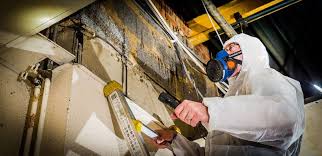
Fast and Reliable Asbestos Test for Every Property: FAQs and Insights
Asbestos remains a critical concern for property owners, contractors, and tenants alike. Even decades after its ban in many countries, asbestos-containing materials (ACMs) can still be found in older homes, commercial buildings, and industrial properties. Conducting a fast and reliable asbestos test for every property is essential to ensure safety, prevent health risks, and comply with regulations.
Why is Asbestos Testing Important?
Asbestos exposure is linked to severe health issues, including lung cancer, mesothelioma, and asbestosis. According to recent studies, approximately 3,000 asbestos-related deaths occur annually in the United States alone. These figures highlight the importance of identifying asbestos in buildings before renovations, demolitions, or even routine maintenance. Fast and reliable testing minimizes the risk of accidental exposure for occupants and workers.
How Quickly Can an Asbestos Test Be Done?
Modern asbestos testing methods allow results to be obtained within 24 to 48 hours in most cases. Rapid testing technologies, such as Polarized Light Microscopy (PLM) and Transmission Electron Microscopy (TEM), provide precise identification of asbestos fibers. On-site testing kits are also increasingly used for preliminary assessments, giving property owners peace of mind without long delays.
Is Every Property at Risk?
While newer buildings are less likely to contain asbestos due to strict regulations after the 1980s, older properties, particularly those built before 1990, still carry a significant risk. Studies indicate that over 50% of buildings constructed before the 1980s contain some form of asbestos in insulation, floor tiles, roofing, or siding. Therefore, a fast and reliable asbestos test for every property is recommended, regardless of age or location.
What are the Steps Involved in Testing?
A standard asbestos inspection involves three key steps:
Visual Assessment: Inspectors identify potential asbestos-containing materials.
Sample Collection: Small samples are safely collected for laboratory analysis.
Laboratory Analysis: Certified laboratories analyze the samples to determine asbestos content and concentration.
How Reliable Are These Tests?
Reliability is a crucial factor in asbestos testing. Accredited laboratories follow strict protocols and quality control measures, ensuring highly accurate results. According to recent industry surveys, modern testing methods have an accuracy rate exceeding 95%, making them a trusted solution for homeowners, real estate professionals, and contractors.
Can Testing Save Money in the Long Run?
Absolutely. Detecting asbestos early can prevent costly remediation, legal liabilities, and potential health claims. Properties that undergo testing before renovations or sales transactions often experience fewer delays and avoid unexpected expenses, proving that investing in a fast and reliable asbestos test for every property is both a safety measure and a financially prudent choice.
Conclusion
With the ongoing risks associated with asbestos, timely and dependable testing should be a priority for every property owner. Leveraging fast and reliable testing services ensures safety, compliance, and peace of mind. Statistics show that proactive asbestos management not only reduces health hazards but also enhances property value and operational efficiency.